February 26, 2025 | Community Room | UED Numeracy Team
The focus of this UED session wasn’t about adding to our plates. It was about nourishing our teaching through games, connection, and the kind of math kids remember.
Starting with Purpose and Play
We opened, as always, with purpose and norms, grounding our time in shared intentions and trust.
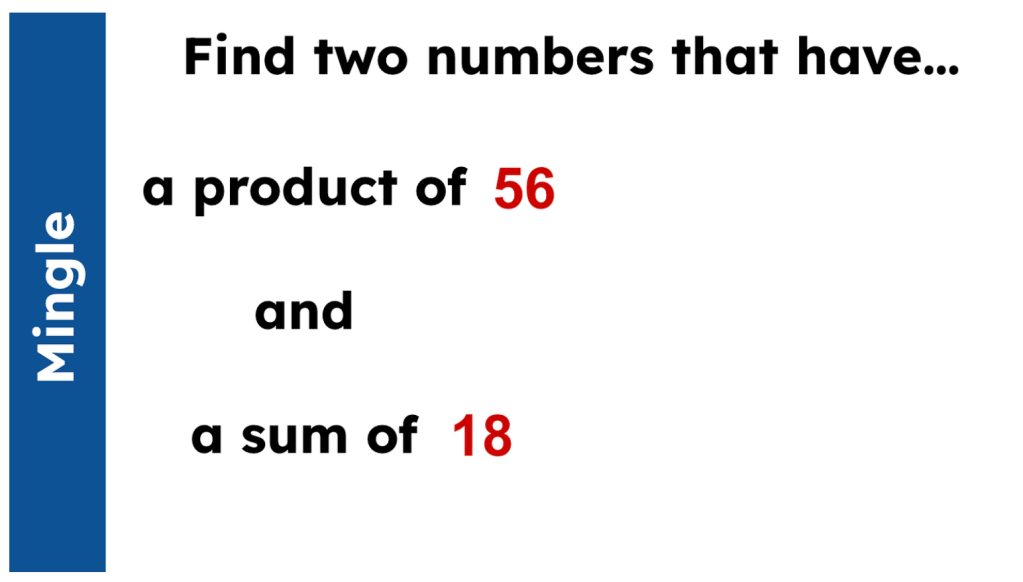
A quick mingle reminded us: we are learners too. We need time to talk, stretch, and smile together before we dig in. The learning lives in relationships.
5 Ways to Share Math with Kids
Dan Finkel’s “Five Principles of Extraordinary Math Teaching”, a short video that challenges us to shift from delivery to discovery. Finkel’s message is simple and bold:
We reflected together on five powerful ways to bring math to life for our students:
- Invite curiosity.
- Let kids ask questions.
- Make room for struggle.
- Celebrate mistakes.
- Play.
As Dan Finkel reminds us: “If we want our kids to develop mathematical thinking, we need to give them mathematical experiences worth thinking about.”
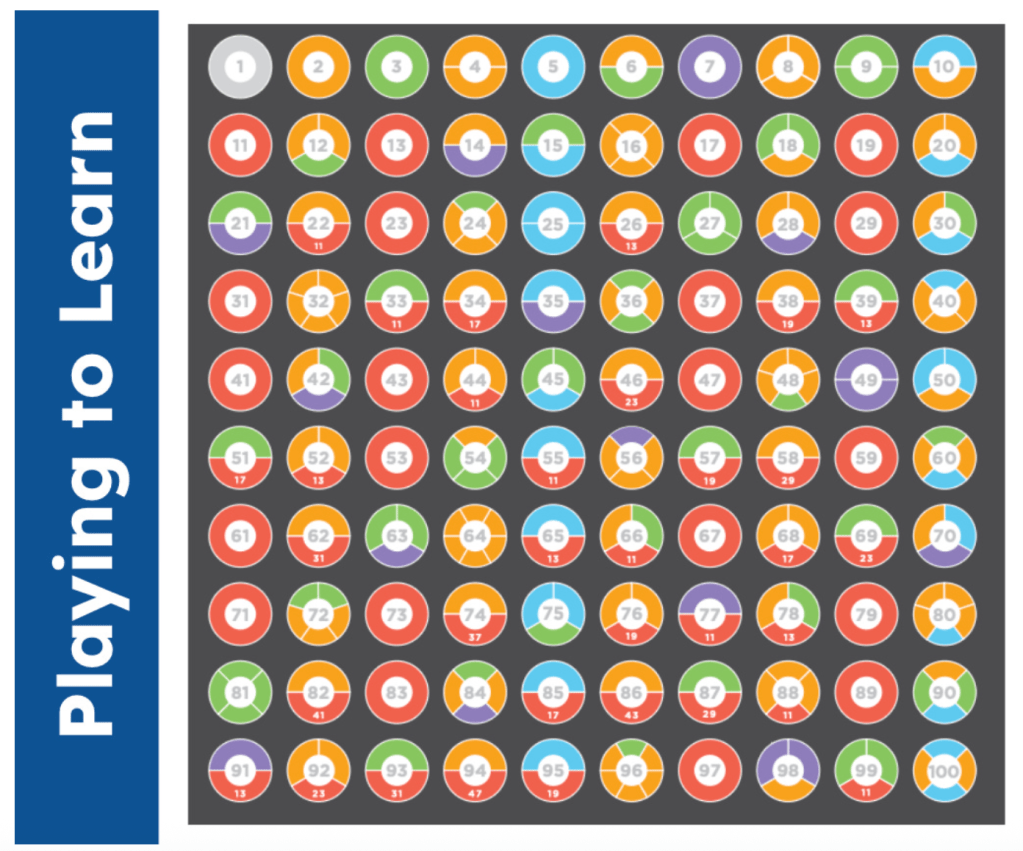
Watch the video and then explore the patterns you notice in the Prime Climb board.
Let’s Play
With decks shuffled and dice ready, we rotated through three games designed to deepen conceptual fluency and multiply joy:
Multiplication by Heart
Flashcards with a twist. Visual, patterned, and spaced for memory, not speed.
We see how learners build understanding of multiplication, not just fact recall.
Multi
A flexible, strategy-based game that makes multiplication meaningful and competitive in the best ways.
Prime Climb
Equal parts logic, color, and number theory.
We used the Prime Climb chart to explore factors, multiples, primes, and strategy.
Games like these aren’t just for fun (though they are fun). They’re also:
- Formative assessment in disguise.
- Retrieval practice with a purpose.
- An invitation to talk math with each other.
So What? Now What?
In our debrief, we asked:
- How can we use these games with students?
- What learning goals can they support?
- How might we build routines around joyful math play?
We left with ideas to try, questions to explore, and a reminder that fluency does not have to be fast or flat. It can be rich, visual, relational…even playful.
 Experiments in Learning by Doing