Yesterday I wrote about Brad’s meeting and Jason Jaggard’s contrast between high performers, who focus on being the best, and meta performers, who focus on what they can become. I also shared Kate Burton’s three questions for my observations.
Today is about her third question, the one I keep thinking about:
Is she helping students level up, or is she “just cheerleading or being Big Brother”?
A morning that could have gone sideways
Tuesday was not a normal morning. Fifth grade was on the field for Trinity’s 75th-anniversary community photo; snack started late, and seven students were out for Nutcracker rehearsal. Kate moved her conclusion mini-lesson earlier in the day so every student would get it, which left this block for a long work session and conferences.
The routine held anyway. Two more minutes of snack, the alarm, snacks and games away, students named and ready, and a thank-you to the class for being flexible. I also noticed that two blue chairs that had invited some distraction on Monday were no longer side by side. Kate had noticed something, adjusted, and moved on. By 10:40, the room was quiet except for typing.
Cheerleading says “great job.” Coaching asks, “What more?”
John Hattie and Helen Timperley describe levels of feedback. Praise directed at the person (“Great job! You’re so smart!”) does little to support learning. Feedback about the task and the process moves students forward. Feedback that builds self-regulation, where students monitor and plan their own work, lasts the longest.
Cheerleading is high performer feedback. It tells a student they have arrived. Coaching is meta performer feedback. It honors what is already strong and then asks what more the work could become. Here is what that sounded like in Kate’s conferences.
Kate starts from strengths. With one writer stuck on an introduction, Kate began, “Knowing how you are as a writer… paint a picture.” With another, she said a big introduction fit his voice. Feedback that starts from who a student already is as a writer lowers the threat and makes revision feel possible.
She gives the decisions back. Where should the text features go? How long should the introduction be? Kate explained the options and then let the writer decide. She treats students as authors.
She asks questions that build thinking. “Think about a world where there were no cameras. What did they do before 1837?” “What was hard before? Why did that need to be improved?” “Why is this new? Why is this different?” These questions push historical and causal reasoning, which is exactly the thinking a research project should develop.
She uses talk to fix writing. One writer’s chapter on vacuum cleaners was not landing on the page. Kate asked her to explain it out loud, wrote down what she said, and compared it to the draft. Her spoken version made more sense, and now she had her own words to write from. The ones doing the talking are the ones learning.
She asks whose words are on the page. “Are those your words or someone else’s?” teaches responsible use of sources without accusing anyone.
She names the craft. Kate noticed that one writer’s voice gets more casual as the piece goes on. She gave another a clear revision plan: put events in chronological order, cut the review section, go straight to the crash, and “turn it into a story.” That is feedback on the writing, not praise for the writer.
She reacts like a real reader. Kate laughed out loud at a line about a car crashing into a brick wall. A young writer learns more from an honest laugh than from “nice job.”
Day 1’s wondering, Day 2’s practice
On Monday, I wondered whether conferences could end with the student naming the next step. On Tuesday, the two longest conferences ended exactly that way.
“So what are you going to tackle?” One writer named his plan: explain the lens, show how cameras were new compared with life before them, and contrast still and moving images. “Then what?” “Probably go to Chapter 4.”
At the end of another conference, Kate asked, “So, what are you going to work on first?” The student replied, “Chapter 5.” Clear student choice and voice.
The student, not the teacher, owned the plan. That is self-regulation feedback, the level Hattie says lasts. And Kate made that shift in one day. That is what a meta performer does with feedback. She did not defend Day 1. She tried something on Day 2.
So, back to the question: cheerleading or Big Brother?
Neither. Kate’s praise is specific, and it almost always comes with a next step. Her questions build thinking. Her attention feels like a reader taking the writing seriously, not someone looking over a shoulder.
Her next level, and she will ask for one, is choosing on purpose when to share an idea and when to wait for the student to find it.
Meta performers, age ten
Here is what I love most. Kate’s conferences teach students to ask the meta-performer question about their own work. Not “Is my paper the best?” but “What more can this piece become?” Not “Am I done?” but “What am I going to tackle next?”
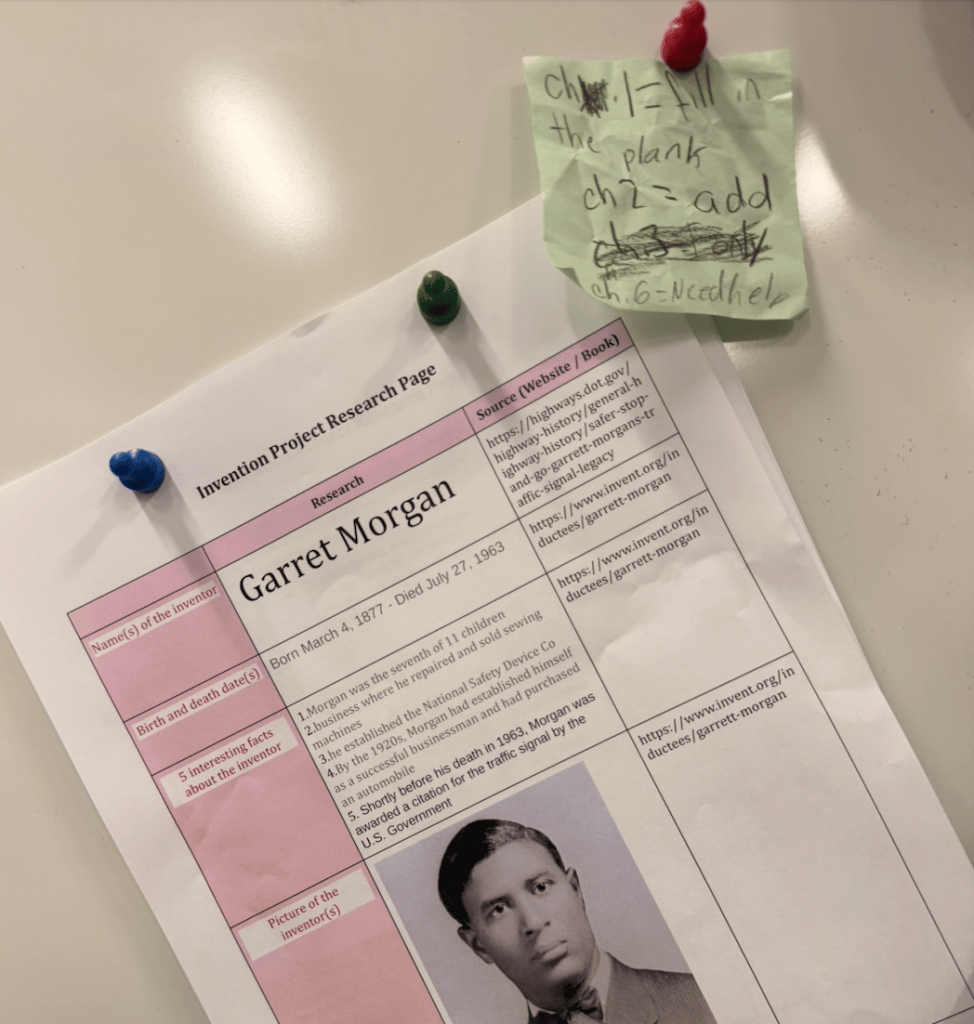
That is a growth mindset made visible, one conference at a time.
For reflection
- Listen to your own conference language this week. How much is aimed at the student, and how much at the work?
- Who names the next step at the end of your conferences, you or the student?
- When did you last invite someone in to look at your practice, not to confirm it, but to stretch it?
Thank you, Kate, for asking “What more am I capable of?” and for teaching our students to ask it, too.

